
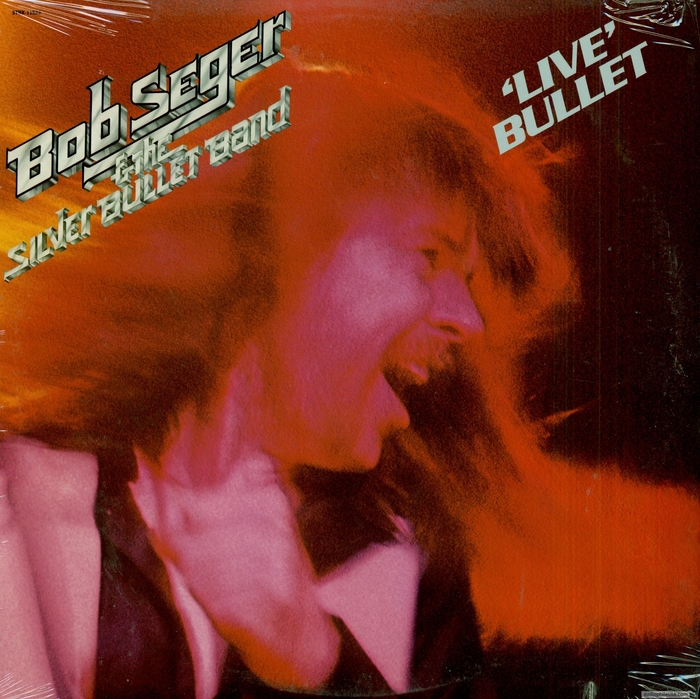
Bob Seger Live Bullet is Live from The Vault Tonight!

 DJ Don Edwards

How Live Bullet Turned Bob Seger Into a Rock and Roll Institution and Why It Remains One of the Greatest Live Albums Ever Recorded!
The history of rock music is filled with albums that changed careers, launched movements, and transformed talented artists into household names. Some studio albums accomplish that feat through innovation, timing, or cultural impact. Occasionally, however, an artist’s defining breakthrough arrives not in the controlled environment of a recording studio but on a concert stage, where raw energy, audience connection, and musical chemistry combine to create something impossible to replicate.
Few albums illustrate that reality more clearly than Live Bullet, the landmark 1976 release that transformed Bob Seger from a beloved regional performer into one of the most successful rock artists in America. Nearly fifty years after its release, Live Bullet remains widely regarded as one of the greatest live albums ever recorded, a benchmark against which countless concert recordings continue to be measured.
This evening, Live Jam’s Live From The Vault places the spotlight on this historic recording as part of its continuing celebration of the most important live albums in music history. Every Saturday night at 9 PM EST, Live From The Vault explores the performances that shaped artists, defined genres, and demonstrated the unique power of live music to elevate songs beyond their studio origins.
Few recordings embody that mission more completely than Live Bullet.
When the album was recorded during two performances at Cobo Hall in Detroit on September 4 and 5, 1975, Bob Seger was hardly an unknown artist. For years, he had built a loyal following throughout Michigan and the Midwest, developing a reputation as a relentless touring performer capable of delivering explosive concerts night after night. Despite that regional popularity, national success remained elusive. Seger had released multiple albums, earned strong local support, and built an impressive reputation among live music fans, but mainstream recognition remained frustratingly out of reach.
What audiences in Detroit already understood was that Seger’s greatest strength could not be fully captured through studio recordings alone.
His music was built for the stage.
The songs carried an authenticity that connected immediately with working-class audiences. His voice possessed a grit and emotional honesty that felt entirely genuine. More importantly, Seger understood how to transform a concert into a shared experience. His performances were neither theatrical spectacles nor carefully choreographed productions. Instead, they felt real, direct, and deeply connected to the lives of the people standing in front of the stage.
That connection is evident from the opening moments of Live Bullet.
Unlike many live albums that sound overly polished or heavily edited, Live Bullet captures the atmosphere of a band operating at full strength in front of an audience that knows every song, every lyric, and every emotional turn. The excitement is palpable. The crowd becomes part of the performance. The energy never feels manufactured because it wasn’t.
A significant reason for the album’s enduring success is the remarkable chemistry of The Silver Bullet Band.
While Bob Seger deservedly receives much of the attention, Live Bullet introduced a group of musicians whose contributions became central to his success. The band’s performances throughout the album demonstrate a level of cohesion that can only be developed through years of playing together. Every arrangement feels powerful without becoming excessive. Every song benefits from musicians who understand precisely how to support the material while adding their own personality to the performance.
Particularly memorable is the work of saxophonist Alto Reed, whose contributions helped define the sound of the Silver Bullet Band for decades. His playing injects soul, urgency, and emotional weight into many of the album’s most memorable moments. Likewise, guitarist Drew Abbott provides the driving rock-and-roll energy that helps transform already strong compositions into unforgettable live performances.
Together, the musicians create a sound that feels larger than the individual parts.
That collective power becomes especially apparent during songs that would eventually become cornerstones of Seger’s legacy.
“Turn the Page” remains one of the defining moments on the album. While the studio version is certainly effective, the live performance reveals the song’s full emotional impact. The loneliness, exhaustion, and resilience that characterize life on the road become even more vivid when delivered before a live audience. Seger’s vocal performance carries a sense of authenticity that makes every line feel lived rather than performed.
The same can be said for “Beautiful Loser,” which gains additional emotional depth in the live setting. The song’s themes of perseverance, disappointment, and quiet dignity resonate powerfully because Seger delivers them with complete conviction. There is nothing forced about the performance. The audience believes every word because Seger clearly believes it himself.
“Travelin’ Man” and “Katmandu” further demonstrate the band’s ability to blend intensity, precision, and spontaneity into performances that feel both disciplined and alive. The arrangements are tight, but they never feel restricted. The songs breathe naturally, allowing the audience’s energy to influence the momentum of the performance.
That quality helps explain why Live Bullet became such an important album in rock history.
Many live recordings function primarily as souvenirs for existing fans. Live Bullet accomplished something far greater. It introduced an artist to an entirely new audience by demonstrating what made him special in the first place. Rather than serving as a companion piece to studio albums, the recording became the definitive statement of Seger’s artistic identity.
The commercial impact was enormous.
Released in April 1976, the album steadily gained momentum, eventually achieving multi-platinum status and remaining on the Billboard charts for years. More importantly, it provided the foundation for the extraordinary run of success that followed. Albums such as Night Moves, Stranger in Town, and Against the Wind would elevate Seger to even greater commercial heights, but many fans and critics continue viewing Live Bullet as the recording that truly unlocked his potential.
The album succeeded because it captured something increasingly rare in modern music: authenticity.
Seger’s appeal was never built around trends, image, or marketing strategy. His songs spoke directly to ordinary people navigating work, relationships, dreams, disappointments, and the passage of time. Those themes remain universal, which helps explain why the album continues attracting new listeners decades after its release.
Listening today, Live Bullet serves as a reminder of a period when live albums occupied a unique place within the music industry. Before streaming platforms, social media clips, and instant access to concert footage, live albums offered audiences a chance to experience artists in their natural environment. They documented not only the music but also the relationship between performers and fans. The best live albums revealed dimensions of artists that studio recordings could only hint at.
Live Bullet belongs firmly within that category.
It captures a performer at the precise moment when talent, experience, opportunity, and audience support converged. It documents the sound of a band discovering just how powerful it could be. Most importantly, it preserves a moment that altered the trajectory of an artist’s career and produced one of the most celebrated live recordings in rock history.
That is precisely why it remains an ideal selection for Live From The Vault.
Every Saturday night, the program celebrates albums that demonstrate the enduring importance of live performance. These recordings are more than entertainment. They are historical documents that capture artists at critical moments in their development while preserving performances that continue inspiring audiences decades later.
Tonight’s presentation of Live Bullet offers listeners the opportunity to experience one of those moments for themselves. Long before Bob Seger became an arena-filling superstar, he was a hardworking musician from Detroit building a connection with audiences one concert at a time. The performances captured at Cobo Hall transformed that regional success into national recognition and produced an album that remains essential listening for anyone interested in the history of rock and roll.
As Live Jam revisits this remarkable recording on Live From The Vault, listeners will hear more than a great concert. They will hear the sound of an artist crossing the threshold from respected regional favorite to national star, backed by a band operating at the height of its powers and an audience fully aware that they are witnessing something special.
Nearly half a century later, Live Bullet continues to prove that great live albums do more than document performances. They create legends.