The global live music industry rarely stands still, but the past several days have demonstrated just how rapidly the concert business continues to evolve. From international tours and major music festivals to consumer protection efforts, venue innovation, grassroots funding, and regional concert announcements, today’s headlines reveal an industry that is simultaneously expanding, adapting, and redefining the future of live entertainment.
While stadium tours continue attracting hundreds of thousands of fans across multiple continents, the biggest stories are no longer limited to superstar performers. Independent venues are receiving significant financial support, governments are increasing oversight of ticketing practices, technology is transforming how audiences experience concerts, and local music communities continue proving they remain the foundation of the entire live music ecosystem.
Taken together, these developments illustrate a simple reality: live music has become more global, more technologically advanced, and more interconnected than at any point in its history.
One of the most closely watched international stories today comes from South Korea, where a wave of civil and political protests has unexpectedly disrupted portions of the country’s concert calendar. Several concerts and independent music festivals have faced abrupt cancellations or logistical complications as organizers continue monitoring changing conditions. South Korea has become one of the world’s most important live music markets, particularly through the extraordinary global influence of K-pop, making any disruption significant not only for local audiences but also for international touring schedules and production planning.
Despite those challenges, the worldwide concert business continues moving forward at remarkable speed.
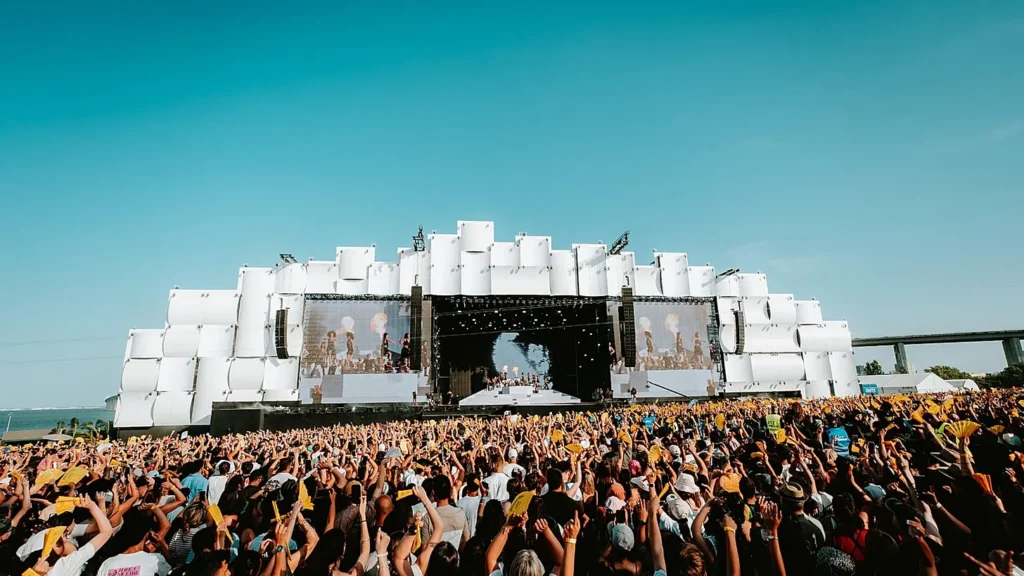
In Brazil, Rock in Rio 2026 has completed a highly successful opening weekend that featured headline performances from Katy Perry and Linkin Park while generating enormous attention throughout the global music industry. As one of the world’s premier festival brands, Rock in Rio continues attracting audiences from across South America and beyond, combining international superstars with regional talent in one of the largest celebrations of live music anywhere in the world.
Attention now turns toward the festival’s second weekend, where Rod Stewart and Cyndi Lauper are among the legendary artists preparing to take the stage. Their appearances demonstrate one of the defining characteristics of modern festivals: the ability to unite multiple generations of music fans through lineups that span decades, genres, and styles.
The festival calendar remains equally active in the United States.
Country music takes center stage tonight as the official CMA Fest 2026 television special premieres on ABC, bringing performances recorded during Nashville’s annual celebration directly into homes across America. For fans unable to attend in person, the broadcast offers another reminder of how live performances continue reaching audiences through multiple platforms while preserving the excitement of one of the country’s largest music events.
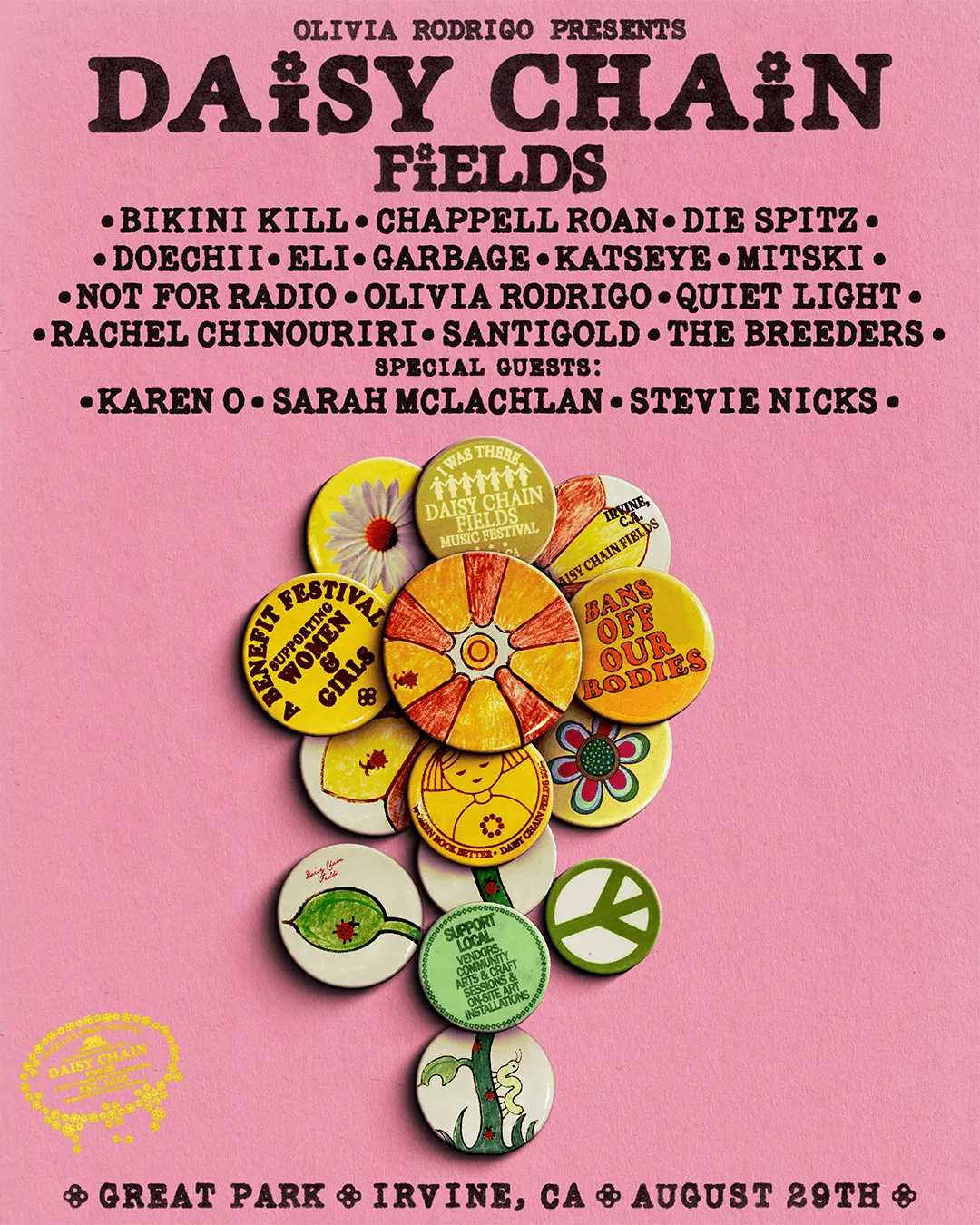
Meanwhile, Olivia Rodrigo announced a significant philanthropic initiative connected to her upcoming appearance at the Daisy Chain Fields Festival. By pledging a substantial portion of her net festival earnings to the National Domestic Workers Alliance, Rodrigo continues demonstrating how major artists increasingly use their platforms to support charitable organizations and social initiatives. The announcement reflects a growing trend in which touring artists view concerts not only as entertainment but also as opportunities to generate meaningful community impact.
The touring landscape itself continues expanding dramatically.
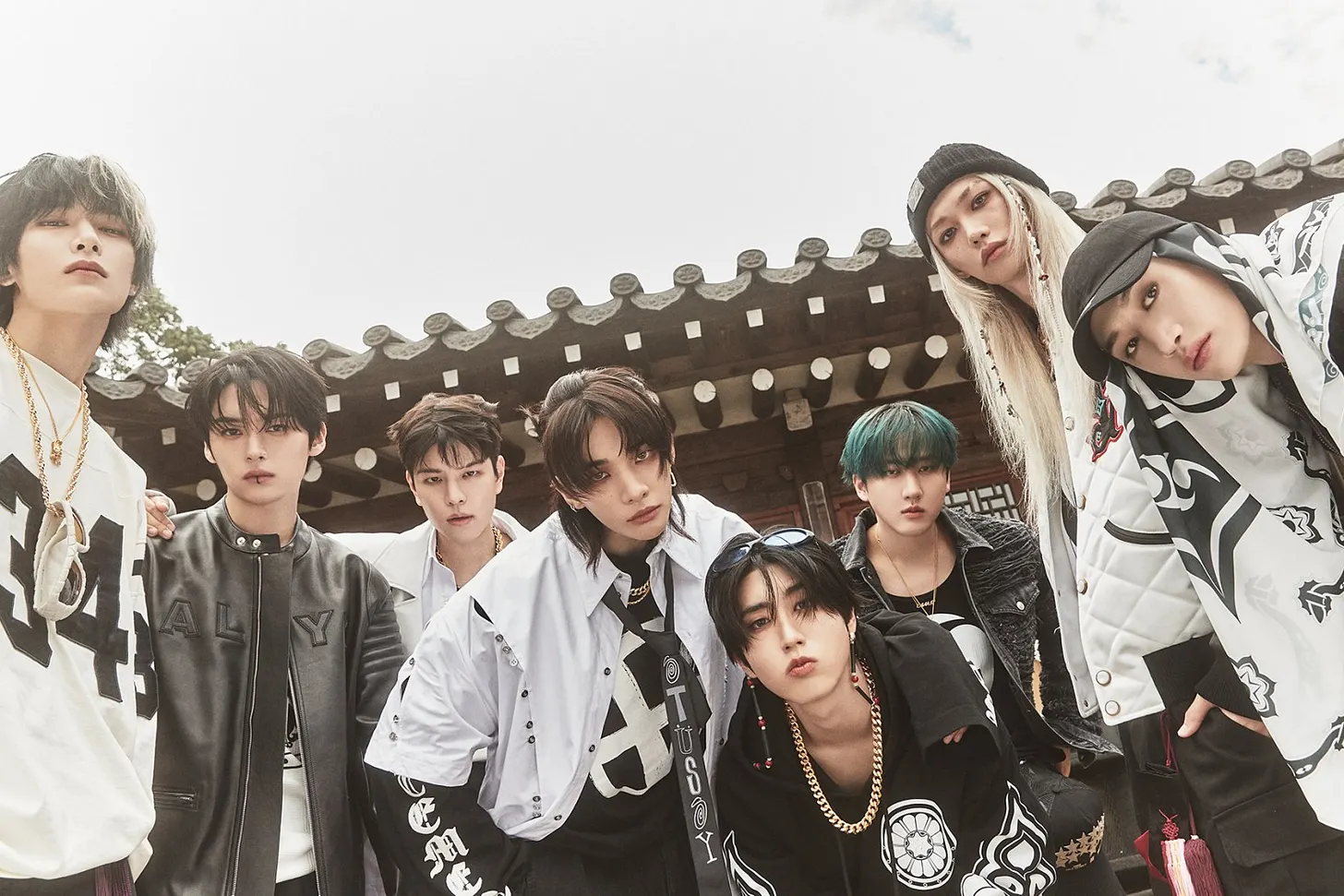
Beabadoobee has officially mapped out a major international arena tour, reflecting her remarkable rise from independent favorite to global touring artist. Don Toliver also unveiled an extensive international run, reinforcing hip-hop’s continued strength as one of the world’s dominant live genres. At the same time, Stray Kids expanded their already ambitious touring schedule while Turnstile announced additional performances that further strengthen the band’s position as one of modern rock’s most exciting live acts.
Collectively, these announcements point toward a larger industry trend. Record labels and touring organizations are investing heavily in visually immersive arena productions designed to create experiences that extend beyond the music itself. Modern concerts increasingly combine sophisticated lighting systems, cinematic video production, interactive stage design, and cutting-edge technology into performances that compete with every other form of live entertainment.
Yet even as arena tours grow larger and more elaborate, today’s headlines also highlight the continuing importance of smaller venues.

The Live Music Society announced its 2026 Music in Action Grants, awarding $844,000 to twenty-nine independent venues across nineteen states, Washington, D.C., and Puerto Rico. For many local venues, financial support of this nature can mean the difference between survival and closure.
These intimate performance spaces often receive far less attention than stadiums or major festivals, yet they remain among the most important institutions within the music industry. Virtually every legendary artist began their career playing clubs, neighborhood theaters, coffeehouses, and small independent venues before graduating to larger stages. These rooms serve as laboratories for new talent, allowing musicians to develop their craft while building direct relationships with audiences.
Protecting those spaces ultimately protects the future of live music itself.
Consumer protection has also become an increasingly important issue throughout the concert industry. The United Kingdom’s Competition and Markets Authority recently imposed a substantial financial penalty against StubHub over allegations involving hidden transaction fees and misleading pricing practices. The action reflects growing international pressure for greater transparency throughout the ticketing industry, where unexpected fees and confusing checkout processes have become persistent sources of frustration for concertgoers.
The conversation surrounding ticket pricing continues extending well beyond individual markets. Fans worldwide increasingly expect straightforward pricing, clearer disclosure, and stronger consumer protections as ticket demand continues reaching historic levels.
Technology is simultaneously reshaping another aspect of the concert experience.
London’s Outernet has announced a significant expansion of its immersive programming, integrating ultra-high-definition wraparound digital environments directly into live performances. Rather than functioning simply as video screens, these massive digital canvases create fully immersive visual experiences that transform physical venues into interactive artistic spaces.
This evolution reflects broader changes occurring throughout the entertainment industry. Younger audiences increasingly seek experiences that combine music, visual storytelling, technology, and social interaction into unified events. Venues capable of adapting to those expectations may help define the next generation of live entertainment.
While global headlines dominate much of today’s conversation, the Philadelphia and South Jersey region continues offering a vibrant calendar of performances that reflects the strength of local live music.
This weekend, the four-time Grammy Award-winning choir The Crossing presents its highly anticipated Month of Moderns 2 concert in Philadelphia. The program features the world premiere of a new work by acclaimed Haitian-American composer Nathalie Joachim, who has transformed Benjamin Franklin’s famous “Thirteen Virtues” into a contemporary choral composition.
Just outside the city, River Roads Music Festival returns to Heuser Park in King of Prussia with a lineup featuring 10,000 Maniacs, Billy Bragg, and Shawn Colvin. The festival offers audiences an intimate outdoor setting while showcasing artists whose careers have helped shape folk, alternative, and singer-songwriter traditions for decades.
Meanwhile, music fans in South Jersey can head to Union Firehouse in Mount Holly, where Pure Petty brings the music of Tom Petty and Stevie Nicks to the stage in one of the region’s premier tribute performances.
Together, these events reinforce an essential truth about live music. While global superstars may dominate headlines, local venues, regional festivals, community performances, and independent artists remain the foundation upon which the entire industry is built.
Whether audiences are filling stadiums in Brazil, supporting independent venues across America, gathering for festivals in Pennsylvania, attending concerts in South Jersey, or watching world premieres in Philadelphia, every performance contributes to a larger musical community that continues growing stronger each year.
As the summer concert season reaches full stride, one thing has become increasingly clear. The future of live music will not be defined by any single artist, venue, or festival. It will be shaped by the continued ability of the industry to embrace innovation while preserving the shared human experience that has always made live performance unlike anything else in entertainment.
That balance between tradition and innovation is precisely what continues making live music one of the most dynamic and inspiring forces in culture today.
Coming Up on Live Jam
🎵 Friday Night Lights — Fridays at 9 PM EST
🎵 Live From The Vault — Saturdays at 9 PM EST
🎵 Don Plays Live Zappa — Tuesdays at 10 PM EST
🎵 Get The Led Out Live — Wednesdays at 10 PM EST
🎵 Live Country Radio Show — Five Hours of Live Country Music
Stay tuned to Live Jam for breaking music news, concert coverage, festival updates, tour announcements, and the greatest live recordings ever captured.